The Ethics of Automation: Safeguarding Human Values in an AI-Driven World
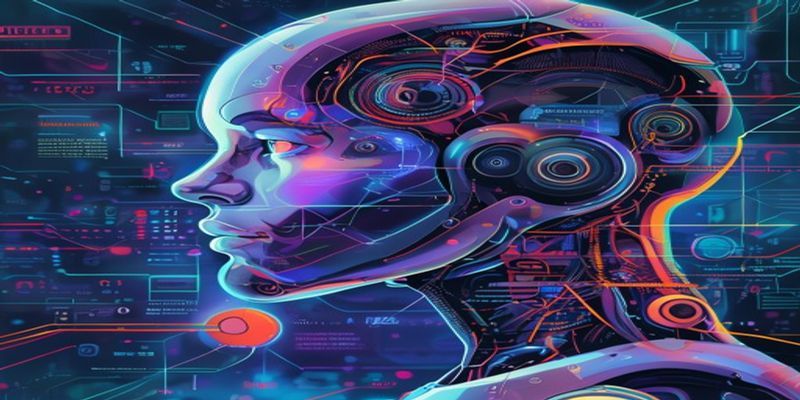
The Ethics of Automation: Safeguarding Human Values in an AI-Driven World
Artificial intelligence and automation are no longer futuristic concepts; they are integral to our daily lives, transforming industries, streamlining processes, and enhancing capabilities across every sector. From personalized recommendations to self-driving cars, the reach of AI is profound and expanding. Yet, as these technologies become more sophisticated and autonomous, a critical question emerges: How do we ensure that human values remain at the core of their design and deployment? This question lies at the heart of ethical considerations in automation and AI, demanding our urgent attention.
The rapid advancement of AI presents unparalleled opportunities for progress, but it also introduces complex ethical dilemmas. Without careful thought and deliberate design, automated systems risk perpetuating biases, eroding privacy, or even making decisions that contradict fundamental human principles. Navigating this new frontier requires more than technical prowess; it demands a deep commitment to ethical frameworks that prioritize fairness, transparency, accountability, and ultimately, human well-being.
The Imperative of Ethical AI and Automation
Ignoring ethical considerations in AI and automation is not merely a philosophical oversight; it carries tangible risks. Unchecked algorithms can lead to discriminatory outcomes, as seen in biased hiring tools or unfair loan approvals. Opaque decision-making processes can erode trust, making it impossible to understand why a system reached a particular conclusion. Furthermore, the concentration of power in a few AI-driven entities raises concerns about control and societal impact. Therefore, integrating ethics from the outset is not an optional add-on but a foundational necessity for sustainable and beneficial technological progress.
Core Ethical Pillars for AI Development
Fairness and Bias Mitigation
Perhaps one of the most pressing ethical challenges is ensuring fairness. AI systems learn from data, and if that data reflects historical or societal biases, the AI will inevitably learn and amplify those biases. This can lead to discriminatory outcomes in critical areas like criminal justice, healthcare, and employment.
- Understanding Data Bias: Recognize that data collection methods, sampling, and even historical records can embed societal prejudices.
- Algorithmic Auditing: Regularly audit algorithms for bias at various stages of development and deployment. Tools and techniques are emerging to detect and mitigate bias in datasets and models.
- Diverse Teams: Building AI with diverse teams helps bring different perspectives, making it more likely to identify and address potential biases.
- Representative Datasets: Actively seek and curate diverse and representative datasets to train AI models, reflecting the full spectrum of the population they will serve.
Transparency and Explainability (XAI)
Many advanced AI models, particularly deep learning networks, operate as
Category: AI & AUTOMATION
Tags: AI Ethics, Automation Ethics, Responsible AI, AI Bias, Transparency AI, Human-Centric AI, AI Governance, Future Tech